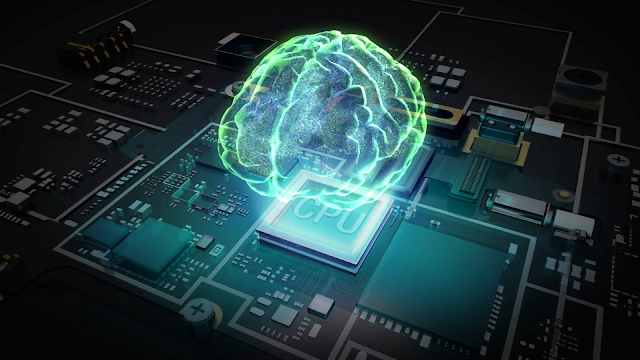
Artificial intelligence (AI) is a rapidly growing field that has the potential to revolutionize the way we live and work. However, like any new technology, it also has its downsides. Here are some of the cons of AI that we should be aware of:

1. Job displacement:
One of the biggest concerns about AI is that it could lead to job displacement. As AI systems become more advanced, they may be able to perform tasks that were previously done by humans, leading to job losses in certain industries.
2. Bias:
AI systems are only as unbiased as the data they are trained on. If the data used to train an AI system is biased, then the system itself will be biased. This could lead to unfair decisions and perpetuate existing inequalities.

3. Lack of accountability:
Unlike humans, AI systems cannot be held accountable for their actions. This could lead to situations where decisions are made without any human oversight or accountability.
4. Security risks:
AI systems are vulnerable to hacking and cyber attacks. If an AI system is compromised, it could lead to serious security breaches and data leaks.
5. Ethical concerns:
As AI systems become more advanced, they raise ethical concerns about privacy, autonomy, and human dignity. For example, should we allow AI systems to make life or death decisions without human oversight?

In conclusion, while AI has the potential to bring many benefits, we should also be aware of its cons. As we continue to develop and implement AI systems, it is important that we address these concerns and ensure that AI is used in a responsible and ethical manner.


0 Comments
If you have any queries or doubts. Please let me know. Have a wonderful day!!